
Root Canal Treatment in Dharamshala
At Floss & Gloss Aesthetics, we provide personalised root canal treatment in Dharamshala to treat teeth affected by infection or inflammation inside the tooth. Root canal treatment, also known as endodontic treatment or RCT, can help relieve dental pain, remove infection and preserve your natural tooth when it can be successfully restored.
If you are experiencing persistent toothache, sensitivity, swelling or discomfort when biting, an early dental examination can help identify the underlying cause and determine the appropriate treatment.
What Is Root Canal Treatment?
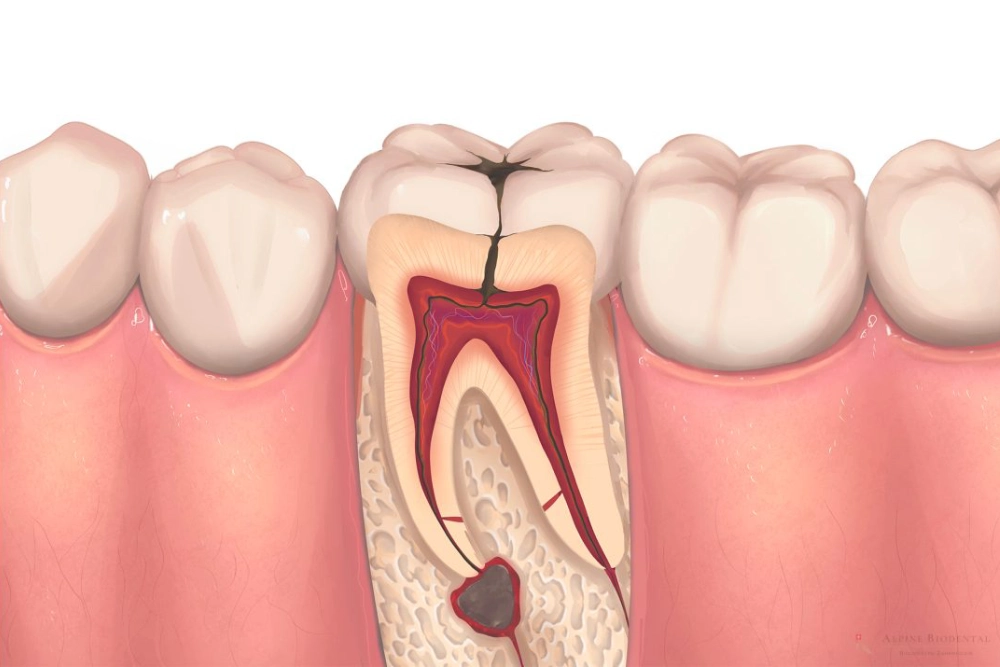
Root canal treatment is a dental procedure used to treat the inside of a tooth when the dental pulp becomes inflamed or infected. The pulp contains nerves and blood vessels. Deep tooth decay, cracks, trauma or repeated dental procedures can sometimes damage the pulp and allow bacteria to cause an infection.
During root canal treatment, the affected pulp is removed, the inside of the tooth is carefully cleaned and disinfected, and the root canals are sealed. The tooth can then be restored to help return its normal function and appearance.
When Do You Need a Root Canal?
Root canal treatment may be recommended when the pulp inside a tooth has become infected or significantly inflamed. Signs that you may need a dental examination include:
- Persistent or severe toothache
- Sensitivity to hot or cold that continues after the stimulus is removed
- Pain when biting or chewing
- Swelling around a tooth
- Tender or swollen gums
- A darkened or discoloured tooth
- A recurring dental abscess
- Deep tooth decay
- A cracked or injured tooth
- A pimple or swelling on the gums near a tooth
Symptoms can vary from person to person. Some infected teeth may cause little or no noticeable pain, which is why a dental examination is important when there is a known cavity, injury or other dental concern.
What Causes a Tooth Infection?
A tooth infection can develop when bacteria reach the pulp inside a tooth. Common causes include:
Deep tooth decay
When tooth decay progresses through the outer layers of the tooth and reaches the pulp, the tissue inside may become inflamed or infected.
Cracked or damaged teeth
A crack can provide bacteria with a pathway into deeper parts of the tooth.
Dental trauma
An injury to a tooth can damage the pulp, sometimes even when there is no obvious crack or break.
Repeated dental treatment
Teeth that have undergone multiple procedures may sometimes develop pulp-related problems.
Your dentist will assess the tooth and determine the cause of the problem before recommending treatment.
What Happens During a Root Canal?
Root canal treatment generally involves several stages designed to remove the damaged pulp, clean the root canals and seal the tooth.
- 1
Examination & diagnosis
Your dentist examines the affected tooth and assesses your symptoms. Dental X-rays may be recommended to understand the condition of the tooth and surrounding structures.
- 2
Local anaesthesia
Local anaesthesia is used to numb the area around the tooth, helping make the procedure as comfortable as possible.
- 3
Accessing the tooth
A small opening is made in the tooth to provide access to the pulp chamber and root canals.
- 4
Removing the infected pulp
The damaged or infected pulp tissue is carefully removed from inside the tooth.
- 5
Cleaning & disinfection
The root canals are cleaned and shaped to remove remaining tissue and reduce bacteria within the treated area.
- 6
Sealing the root canals
Once the canals have been cleaned, they are filled and sealed to help prevent bacteria from entering the treated space again.
- 7
Restoring the tooth
After the root canal, the tooth will need an appropriate final restoration. Depending on the condition and location of the tooth, this may involve a permanent filling or dental crown.
Is Root Canal Treatment Painful?
Modern root canal treatment is performed using local anaesthesia to numb the affected area. You may experience some tenderness or sensitivity after treatment as the surrounding tissues recover. This usually improves over time.
If you experience significant or persistent pain, swelling or other unexpected symptoms following treatment, contact your dental team for advice.
Benefits of Root Canal Treatment
- Treat infection inside the tooth
- Remove inflamed or infected pulp
- Relieve pain associated with dental infection
- Preserve your natural tooth
- Restore normal chewing function
- Help prevent the spread of infection
- Avoid extraction when the tooth can be successfully restored
- Maintain the natural appearance of your smile
The appropriate treatment depends on the condition of your tooth and your individual dental needs.
Why Preserve Your Natural Tooth?
Whenever possible, preserving a natural tooth can help maintain your normal bite, chewing function and overall dental structure. Root canal treatment removes the infected pulp while allowing the remaining tooth structure to be retained.
After treatment, the tooth can be restored with a filling or crown depending on how much healthy tooth structure remains. Your dentist will explain whether the tooth is suitable for root canal treatment or whether another treatment option should be considered.
Will I Need a Crown After a Root Canal?
Not every root canal-treated tooth requires a crown, but a crown may be recommended depending on the amount of healthy tooth structure remaining and the location of the tooth.
Teeth that have lost significant structure may benefit from additional protection after root canal treatment. Your dentist will assess the treated tooth and recommend the most appropriate final restoration.
Root Canal Treatment Aftercare
Some tenderness or sensitivity may occur after root canal treatment. After your procedure, you may be advised to:
- Avoid chewing hard foods on the treated tooth until it has been fully restored
- Follow your dentist's aftercare instructions
- Continue brushing and flossing regularly
- Attend recommended follow-up appointments
- Have a crown or other final restoration placed if recommended
- Contact the clinic if you experience significant pain, swelling or other unexpected symptoms
Taking care of the treated tooth and maintaining good oral hygiene can help support its long-term function.
What Happens If an Infected Tooth Is Not Treated?
An untreated infection can continue to develop and may cause increasing pain, swelling or an abscess. In some cases, the infection can damage the surrounding tissues and make the tooth more difficult to restore.
Early dental assessment can help determine the cause of your symptoms and allow appropriate treatment to be considered before the problem becomes more extensive.
Root Canal Treatment vs Tooth Extraction
When a tooth is severely infected or damaged, treatment options may include root canal treatment or extraction depending on whether the tooth can be successfully restored.
A root canal aims to remove the infected pulp while retaining the natural tooth. Extraction removes the tooth completely and may require additional treatment to replace the missing tooth. Your dentist will assess the condition of your tooth and discuss the available options with you.
Can Root Canal Treatment Save a Tooth?
When a tooth is suitable for treatment and can be adequately restored, root canal treatment can allow the natural tooth to be retained.
The long-term outlook depends on factors such as the amount of remaining tooth structure, the condition of the surrounding tissues, the quality of the restoration and ongoing oral care. Your dentist can assess your tooth and explain its individual treatment options.
Root Canal Treatment at Floss & Gloss Aesthetics
At Floss & Gloss Aesthetics, we take a patient-focused approach to restorative and endodontic dental care. Our team will assess your symptoms, examine the affected tooth and explain the available treatment options.
If you are experiencing persistent tooth pain, sensitivity, swelling or other signs of a dental infection, don't wait for the problem to worsen. If you're searching for RCT treatment in Dharamshala or root canal treatment in Dharamshala, contact Floss & Gloss Aesthetics to arrange a dental consultation.
Frequently Asked Questions
Is a root canal painful?+
Root canal treatment is performed using local anaesthesia to numb the affected area. Some tenderness or sensitivity may occur after treatment while the surrounding tissues recover.
How long does a root canal take?+
The treatment time varies depending on the tooth, the complexity of the root canals and the extent of the infection. Your dentist can explain the expected treatment process and timeline after examining your tooth.
How do I know if I need a root canal?+
Persistent toothache, prolonged sensitivity to hot or cold, pain when biting, swelling, a dental abscess, deep decay or a damaged tooth can be signs of a problem involving the dental pulp. However, only a dental examination can determine whether root canal treatment is necessary.
Can a root canal save my tooth?+
When a tooth is suitable for treatment and can be successfully restored, root canal treatment can allow the natural tooth to be preserved rather than extracted.
Will I need a crown after a root canal?+
A crown may be recommended depending on how much healthy tooth structure remains and the location of the tooth. Your dentist will assess the tooth and recommend an appropriate restoration.
How long does a root canal-treated tooth last?+
A root canal-treated tooth can function for many years when it is properly restored and maintained. Its long-term survival depends on factors such as the remaining tooth structure, the final restoration, oral hygiene and biting forces.
Can I eat after a root canal?+
You may be advised to avoid chewing on the treated tooth until the permanent restoration has been completed. If local anaesthetic has been used, take care not to bite your cheek, lips or tongue while your mouth remains numb.
What happens if an infected tooth is not treated?+
An untreated dental infection can progress and may lead to increasing pain, swelling or an abscess. It can also make the tooth more difficult to restore. Early assessment is recommended when symptoms are present.
Is root canal treatment better than tooth extraction?+
Root canal treatment and extraction are different treatment options. When a natural tooth can be successfully treated and restored, root canal treatment allows the tooth to be retained. Your dentist will assess the tooth and explain which options are appropriate.
Can children have root canal treatment?+
Children can sometimes require treatment for an infected or damaged tooth. The appropriate procedure depends on the child's age, the type of tooth involved and the condition of the tooth. A dental examination is required to determine the appropriate treatment.
Can a tooth need a root canal without causing pain?+
Yes. Some teeth with pulp damage or infection may cause limited or no noticeable symptoms. Dental examinations and X-rays can sometimes identify problems before significant pain develops.
How should I care for my tooth after a root canal?+
Continue brushing and flossing, follow your dentist's instructions, avoid putting excessive pressure on the tooth until it has been fully restored and attend any recommended follow-up appointments.
Dental Implants at Floss & Gloss
Thinking about dental implants? Learn more about your options with a no-obligation consultation. Our team is here to help you find the right treatment for your smile.