
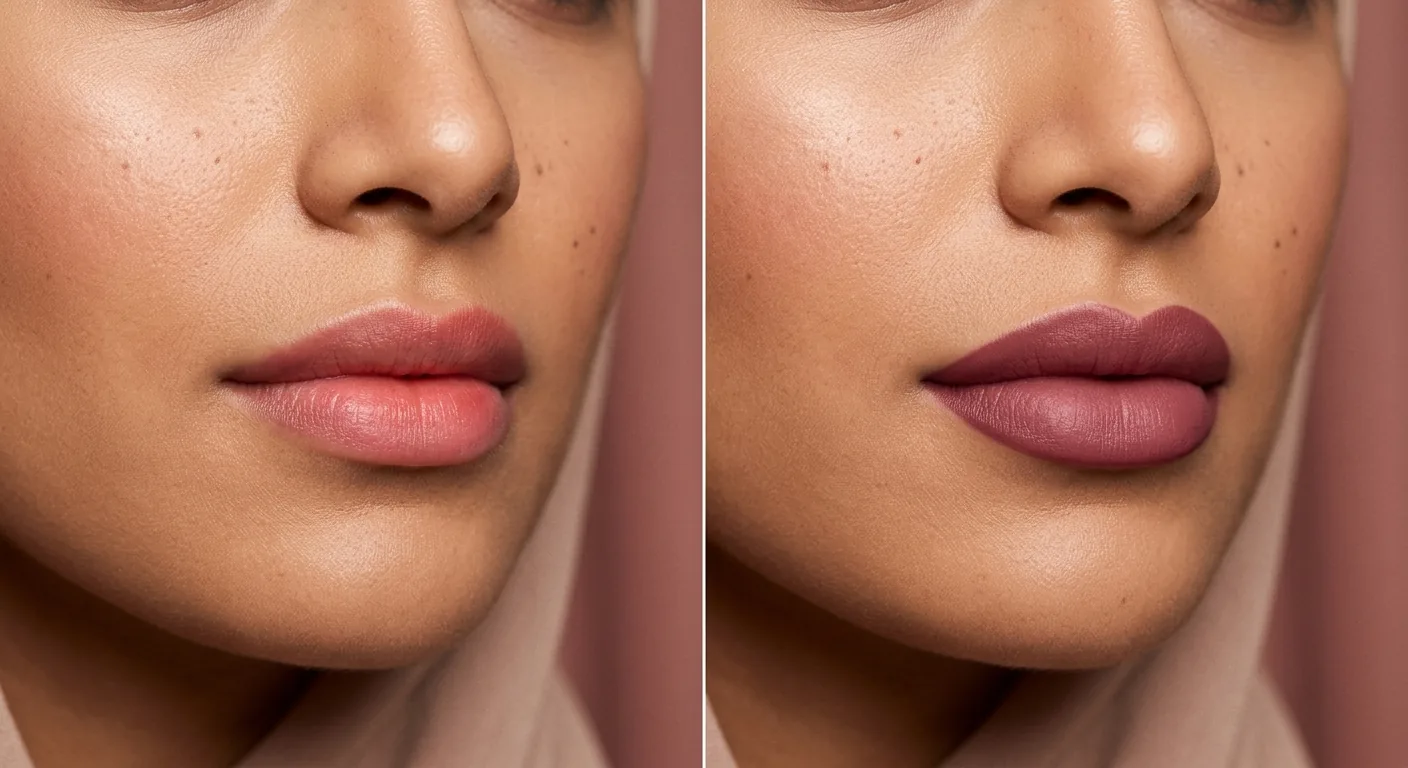
Permanent Lip Colour
Enhance your lips with a soft, natural-looking tint and improved definition. Permanent lip colour is a cosmetic pigmentation treatment designed to add colour to the lips and create a more even-looking appearance, helping you enjoy a fresh look with less reliance on daily lipstick.
At Floss & Gloss Aesthetics, we focus on personalised care and results suited to your natural lip tone, preferences and desired appearance.
Enhance Your Natural Lip Colour
Permanent lip colour, also known as lip blush or semi-permanent lip pigmentation, is a cosmetic procedure in which specialised pigment is deposited into the lips to enhance their natural-looking colour and definition.
The treatment can help create a soft tint, improve the appearance of uneven lip colour and define the lip border. The final result depends on your natural lip tone, skin characteristics, selected pigment and healing response.
Unlike traditional lipstick, cosmetic lip pigmentation is designed to provide a longer-lasting colour effect. However, it is not necessarily permanent for life, and the colour generally fades over time.
At Floss & Gloss Aesthetics in Dharamshala, a consultation helps establish whether the treatment is suitable for you and what kind of result may be achievable.
Is Permanent Lip Colour Right for You?
Permanent lip colour may be worth considering if you would like to:
- Enhance your natural lip colour with a subtle tint
- Improve the appearance of uneven lip colour
- Create a more defined-looking lip border
- Reduce the need to apply lipstick or lip tint every day
- Achieve a soft, polished appearance without a heavy makeup look
- Add a little visual definition to lips that appear pale
A consultation is important to discuss your expectations, medical history, natural lip pigmentation and suitability for the procedure. The treatment may not be appropriate for everyone.
Choose a Look That Suits You
The desired result depends on the pigmentation technique and the colour selected. Common cosmetic lip pigmentation styles include the following, subject to the techniques offered by the clinic.
Natural lip blush
Designed to give the lips a soft wash of colour, creating a subtle, naturally enhanced appearance.
Lip tint enhancement
A colour-focused approach intended to make the lips appear fresher and more evenly tinted, depending on the natural lip tone and chosen pigment.
Lip border definition
A technique focused on enhancing the appearance of the lip outline. The practitioner should assess whether this approach is suitable and avoid creating an unnatural or exaggerated shape.
Pigmentation cannot reliably change the natural structure of the lips or guarantee a particular colour outcome.
Enjoy a Soft, Defined Look
When performed by a suitably trained practitioner, permanent lip colour may offer several cosmetic benefits:
- Adds a tint to the lips for a more defined appearance
- May help reduce the appearance of uneven colour
- Can enhance the appearance of the lip border
- May reduce the need for frequent lipstick application
- Colour and intensity can be discussed according to your preferences
- Offers a longer-lasting alternative to applying lip tint every day
Results vary between individuals. The procedure does not guarantee perfectly symmetrical lips or complete correction of natural pigmentation.
What to Expect During Your Appointment
The process generally involves several stages.
- 1
Consultation
Your practitioner discusses your desired colour, expectations, medical history, allergies, previous cosmetic procedures and suitability for treatment.
- 2
Lip assessment & colour selection
Your natural lip tone and condition are assessed. A suitable pigment and realistic colour goal are discussed before treatment.
- 3
Preparation
The lips are prepared according to the practitioner's hygiene and treatment protocol. Any numbing product should be used only when appropriate and according to professional guidance.
- 4
Pigment application
The selected pigment is carefully deposited into the lips using the chosen cosmetic pigmentation technique.
- 5
Aftercare guidance
You receive instructions on caring for your lips during healing, including how to keep the area clean and which activities or products to avoid.
- 6
Healing & follow-up
The colour may initially appear stronger or different from the final healed result. A follow-up assessment can determine whether any additional treatment is appropriate.
The exact procedure, appointment length and follow-up schedule should be confirmed with the clinic before booking.
Caring for Your Lips After Treatment
Following your practitioner's aftercare instructions is important for healing and the final appearance of the pigment. General aftercare may include:
- Keep the treated area clean and follow the specific cleaning instructions provided
- Avoid picking, scratching or peeling flaking skin
- Avoid applying unapproved cosmetics or skincare products to the treated area during healing
- Avoid swimming, excessive heat and activities that may irritate the area until your practitioner says they are safe
- Protect your lips from excessive sun exposure once appropriate during recovery
- Follow your practitioner's guidance regarding moisturising products and follow-up appointments
Temporary swelling, tenderness, redness and colour changes can occur. Seek prompt medical advice if you experience worsening pain, spreading redness, pus, fever or other signs of infection.
Cold sore precaution
Lip pigmentation may trigger a cold sore in people with a history of herpes simplex. Tell your practitioner before treatment if you have ever experienced cold sores. A healthcare professional can advise whether preventive antiviral medication is appropriate.
Long-Lasting Colour That Fades Gradually
Permanent lip colour is generally considered a semi-permanent cosmetic treatment. Pigment fades gradually, and the duration varies according to skin characteristics, pigment, technique, sun exposure, lifestyle and aftercare.
Some people may choose a follow-up session or colour refresh when appropriate. The timing should be based on the healed result and professional assessment rather than a guaranteed schedule.
It is important to understand that the pigment may fade unevenly and that complete removal can be difficult. Discuss the expected longevity, potential colour changes and options for correction before proceeding.
Your Comfort and Suitability Come First
Cosmetic lip pigmentation involves breaking the skin, so it carries risks. These may include infection, allergic reactions to pigment, scarring, uneven colour, unwanted colour changes and difficulty removing the pigment. Cold sores may also be triggered in susceptible individuals.
Before treatment, disclose relevant medical conditions, allergies, medications, a history of cold sores and any previous lip procedures. Treatment may need to be postponed if the lips are irritated, infected or affected by an active cold sore.
Choose a qualified, appropriately trained practitioner who follows strict hygiene practices and uses suitable equipment and pigments. If you are pregnant, breastfeeding, immunocompromised or have a condition that may affect healing, seek individual medical advice about whether to proceed.
Why Choose Floss & Gloss Aesthetics?
At Floss & Gloss Aesthetics, the focus is on understanding your preferences and helping you make an informed decision about cosmetic treatment.
A consultation provides an opportunity to discuss your desired lip colour, understand the procedure, review possible risks and set realistic expectations before treatment.
Our aim is to help you explore an approach suited to your individual needs, with clear guidance on preparation, healing and aftercare.
Frequently Asked Questions
What is permanent lip colour?+
Permanent lip colour is a cosmetic pigmentation procedure that deposits pigment into the lips to enhance their colour and definition. It is commonly referred to as lip blush or semi-permanent lip pigmentation.
Is permanent lip colour truly permanent?+
Not necessarily. The pigment generally fades over time, although some residual colour may remain. Complete removal can be difficult, so it is important to consider the long-term implications before treatment.
How long does permanent lip colour last?+
Longevity varies according to the pigment, technique, natural lip characteristics, lifestyle and aftercare. Your practitioner can explain realistic expectations during your consultation.
Does permanent lip colour hurt?+
Some discomfort or sensitivity may occur because the procedure involves the skin of the lips. The experience varies between individuals. Ask your practitioner about appropriate pain-management options before treatment.
Will my lips look natural after treatment?+
A soft, natural-looking tint may be achievable with suitable colour selection and technique. The result depends on your natural lip tone, the pigment used and how your lips heal.
Can permanent lip colour correct dark or uneven lips?+
It may improve the appearance of uneven colour in some cases, but results depend on the underlying pigmentation and the selected technique. Significant natural pigmentation may require a different approach, and a particular shade cannot be guaranteed.
How long does the treatment take?+
Appointment length varies depending on the technique, preparation and individual needs. Contact the clinic for its current appointment duration.
Is there any downtime?+
Temporary swelling, tenderness, flaking and colour changes may occur during healing. Your practitioner will explain the expected recovery period and when you can return to your usual activities.
Can I wear lipstick after treatment?+
You should avoid applying lipstick and other unapproved products to the treated area until your practitioner confirms it is safe to do so.
Can I have permanent lip colour if I get cold sores?+
A history of cold sores does not automatically mean treatment is impossible, but lip pigmentation can trigger an outbreak. Inform your practitioner in advance and ask a healthcare professional whether preventive treatment is appropriate.
Are there any side effects?+
Possible risks include swelling, infection, allergic reactions, scarring, uneven pigment and unwanted colour changes. Discuss your medical history and any concerns during the consultation.
Will I need a touch-up?+
Some clients may benefit from a follow-up appointment, depending on how the pigment heals and the desired result. Your practitioner can assess whether additional treatment is appropriate after the initial healing period.
Dental Implants at Floss & Gloss
Thinking about dental implants? Learn more about your options with a no-obligation consultation. Our team is here to help you find the right treatment for your smile.