
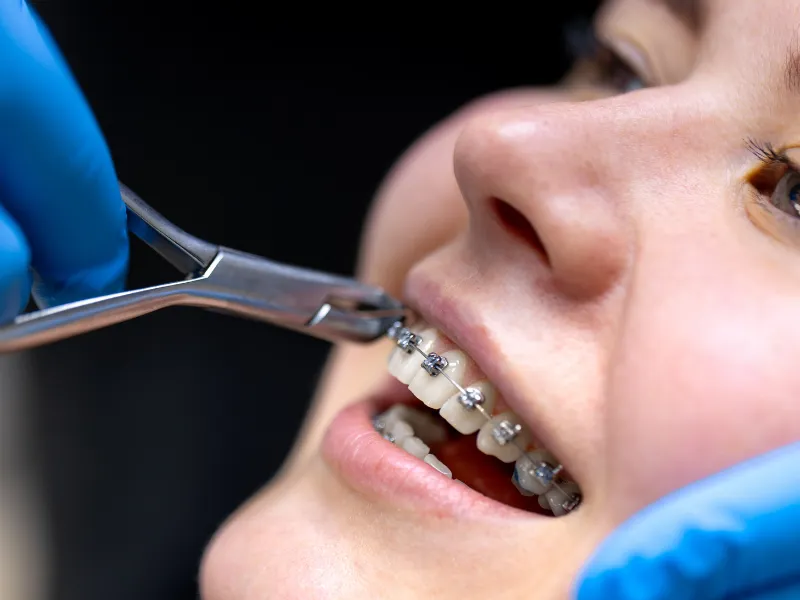
Orthodontic Braces
Orthodontic braces are used to gradually move teeth into a more aligned position and improve the relationship between the upper and lower teeth. At Floss & Gloss Aesthetics, we provide personalised orthodontic assessment and treatment planning based on your dental needs, bite and smile goals.
Whether you are concerned about crowded teeth, gaps or bite alignment, an orthodontic assessment can help determine the most suitable treatment approach for you.
What Are Orthodontic Braces?
Orthodontic braces are dental appliances designed to apply controlled pressure to the teeth over time, gradually guiding them into a more appropriate position. Braces can be used to address a range of orthodontic concerns, including:
- Crowded teeth
- Gaps between teeth
- Crooked or rotated teeth
- Overbite
- Underbite
- Crossbite
- Certain bite alignment problems
- Teeth that have shifted over time
The type and duration of treatment depend on the individual's age, dental development, tooth position, bite and overall oral health.
Who May Need Orthodontic Braces?
Braces may be recommended for children, teenagers or adults when teeth or jaw relationships require orthodontic correction. You may benefit from an orthodontic assessment if you have:
- Crowded or overlapping teeth
- Noticeable spaces between teeth
- Teeth that appear crooked
- Difficulty cleaning between crowded teeth
- An uneven bite
- Teeth that do not meet correctly when biting
- Teeth that have moved after previous orthodontic treatment
- Concerns about the appearance of your smile
An orthodontic examination is necessary to determine whether braces are appropriate for your specific condition.
Types of Orthodontic Braces
Depending on your orthodontic needs, different types of braces may be considered.
Traditional metal braces
Traditional braces use brackets attached to the teeth and an archwire that gradually guides the teeth into position. They are commonly used for a wide range of orthodontic problems and can be suitable for both children and adults.
Ceramic braces
Ceramic braces work in a similar way to traditional braces but use tooth-coloured or less noticeable brackets. They can provide a more discreet appearance while still allowing controlled tooth movement.
Other orthodontic options
Depending on your case, your dentist or orthodontic specialist may discuss other treatment options, such as clear aligners. The appropriate appliance depends on your teeth, bite, treatment goals and clinical requirements.
What Problems Can Braces Correct?
Crowded teeth
Braces can gradually create better alignment when teeth overlap or do not have sufficient space.
Gaps between teeth
Orthodontic treatment can help close certain spaces between teeth and improve overall alignment.
Crooked teeth
Braces can gradually move rotated or incorrectly positioned teeth towards a more appropriate alignment.
Overbite
An overbite occurs when the upper front teeth extend significantly over the lower front teeth. Orthodontic treatment may help improve the relationship between the upper and lower teeth.
Underbite
An underbite occurs when the lower teeth sit in front of the upper teeth. Depending on the severity and underlying cause, orthodontic treatment may be considered.
Crossbite
A crossbite occurs when some upper teeth sit inside the lower teeth when biting. Orthodontic treatment may help improve the alignment.
The Orthodontic Treatment Process
- 1
Initial consultation
We begin by discussing your concerns and what you would like to achieve from orthodontic treatment. Your teeth, bite and overall oral health are assessed.
- 2
Orthodontic assessment
Your dentist evaluates tooth position, spacing, bite and jaw relationships. Dental photographs, X-rays or other diagnostic records may be recommended where appropriate.
- 3
Treatment planning
Based on your assessment, the appropriate orthodontic treatment options are explained. Your treatment plan may include the recommended type of braces, expected treatment stages and follow-up requirements.
- 4
Braces placement
Once the treatment plan is confirmed, the brackets and orthodontic components are carefully placed on the teeth. The appliance is then adjusted to begin gradually moving the teeth.
- 5
Regular adjustments
You will need regular appointments throughout treatment. During these visits, your dentist or orthodontic provider monitors tooth movement and makes adjustments when required.
- 6
Treatment completion
Once your teeth have reached the planned position, the braces are removed. Your teeth are then assessed and a retainer is usually recommended to help maintain the new alignment.
Benefits of Orthodontic Braces
Orthodontic treatment can help:
- Improve the alignment of teeth
- Reduce dental crowding
- Close certain gaps between teeth
- Improve some bite problems
- Make teeth easier to clean in some cases
- Improve the appearance of your smile
- Support a more balanced bite
- Help maintain improved tooth positioning with appropriate retention
The benefits and outcome of treatment depend on the individual's orthodontic condition and response to treatment.
Braces for Children & Teenagers
Orthodontic assessment can be useful during childhood and adolescence because teeth and jaws are still developing. Early assessment can help identify developing alignment or bite concerns and determine whether treatment may be appropriate now or at a later stage.
Not every child needs braces immediately. The appropriate timing depends on dental development and the specific orthodontic problem.
Braces for Adults
Orthodontic treatment is not limited to teenagers. Adults may consider braces to address:
- Long-standing tooth crowding
- Gaps between teeth
- Bite concerns
- Teeth that have shifted over time
- Cosmetic alignment concerns
- Relapse after previous orthodontic treatment
An assessment can determine which treatment options are suitable for your teeth and gums.
Caring for Your Teeth During Braces
Good oral hygiene is particularly important while wearing braces because brackets and wires can create additional areas where food and plaque can accumulate. We recommend:
- Brush your teeth carefully at least twice a day
- Clean around brackets and wires thoroughly
- Clean between your teeth regularly
- Attend scheduled orthodontic appointments
- Avoid biting hard objects or foods that could damage the braces
- Limit very sticky foods
- Follow your dentist's specific instructions
- Attend regular dental check-ups during orthodontic treatment
Keeping your teeth and gums healthy throughout treatment helps support a successful orthodontic outcome.
What Happens After Braces?
Completing active orthodontic treatment is only part of the process. Once the braces are removed, a retainer is generally recommended to help maintain the position of your teeth.
Teeth can naturally move over time, so wearing your retainer as instructed is an important part of maintaining your orthodontic result. Your dentist will explain the appropriate retention plan for you.
How Long Do Braces Take?
The length of orthodontic treatment varies from person to person. Treatment time can be influenced by:
- The severity of the alignment problem
- The type of bite correction required
- The position of the teeth
- Age and dental development
- The type of orthodontic appliance
- How consistently appointments are attended
- Compliance with treatment and oral hygiene instructions
Your dentist can provide a more personalised treatment estimate after assessing your teeth.
Orthodontic Braces at Floss & Gloss Aesthetics
At Floss & Gloss Aesthetics, we take a personalised approach to orthodontic care. We assess your teeth and bite, understand your concerns and explain the available treatment options before starting treatment.
Our goal is to help you achieve improved tooth alignment and a healthier, more balanced smile through a treatment plan appropriate for your individual needs.
Frequently Asked Questions
What are orthodontic braces?+
Orthodontic braces are dental appliances that use controlled forces to gradually move teeth into a more appropriate position and improve certain bite problems.
At what age can someone get braces?+
Braces can be used for children, teenagers and adults. The appropriate timing depends on dental development and the type of orthodontic problem. An orthodontic assessment can determine when treatment may be suitable.
Are braces painful?+
You may experience some pressure, tenderness or mild discomfort after braces are first placed or adjusted. This usually settles as you become accustomed to the appliance.
How long do I need to wear braces?+
Treatment duration varies depending on the complexity of your case and how your teeth respond to treatment. Your dentist can provide an estimated timeline after an orthodontic assessment.
Can adults get orthodontic braces?+
Yes. Adults can undergo orthodontic treatment when their teeth and gums are suitable for treatment. Different appliance options may be discussed depending on your needs.
Can braces fix crowded teeth?+
Braces can be used to improve many types of dental crowding by gradually moving teeth into better alignment. The appropriate approach depends on the severity and cause of the crowding.
Can braces close gaps between teeth?+
Yes, orthodontic treatment can close certain spaces between teeth. The cause and size of the gap will determine the most appropriate treatment approach.
Can braces correct an overbite?+
Braces can help correct certain overbite problems. Treatment depends on the severity of the overbite and the relationship between the teeth and jaws.
Do I need to avoid certain foods with braces?+
Some hard, sticky or chewy foods can damage orthodontic brackets or wires. Your dentist will provide specific dietary instructions during treatment.
How often will I need orthodontic appointments?+
Regular appointments are required to monitor tooth movement and make necessary adjustments. The frequency depends on your individual treatment plan.
What happens after my braces are removed?+
A retainer is generally recommended after active orthodontic treatment to help maintain the position of your teeth. Your dentist will explain how and when to wear it.
Can teeth move again after braces?+
Yes. Teeth can naturally shift after orthodontic treatment. Wearing retainers as instructed is important for maintaining the alignment achieved through treatment.
How should I clean my teeth with braces?+
Brush carefully around the brackets and wires and clean between your teeth regularly. Your dentist can demonstrate suitable brushing and interdental cleaning techniques.
Dental Implants at Floss & Gloss
Thinking about dental implants? Learn more about your options with a no-obligation consultation. Our team is here to help you find the right treatment for your smile.