
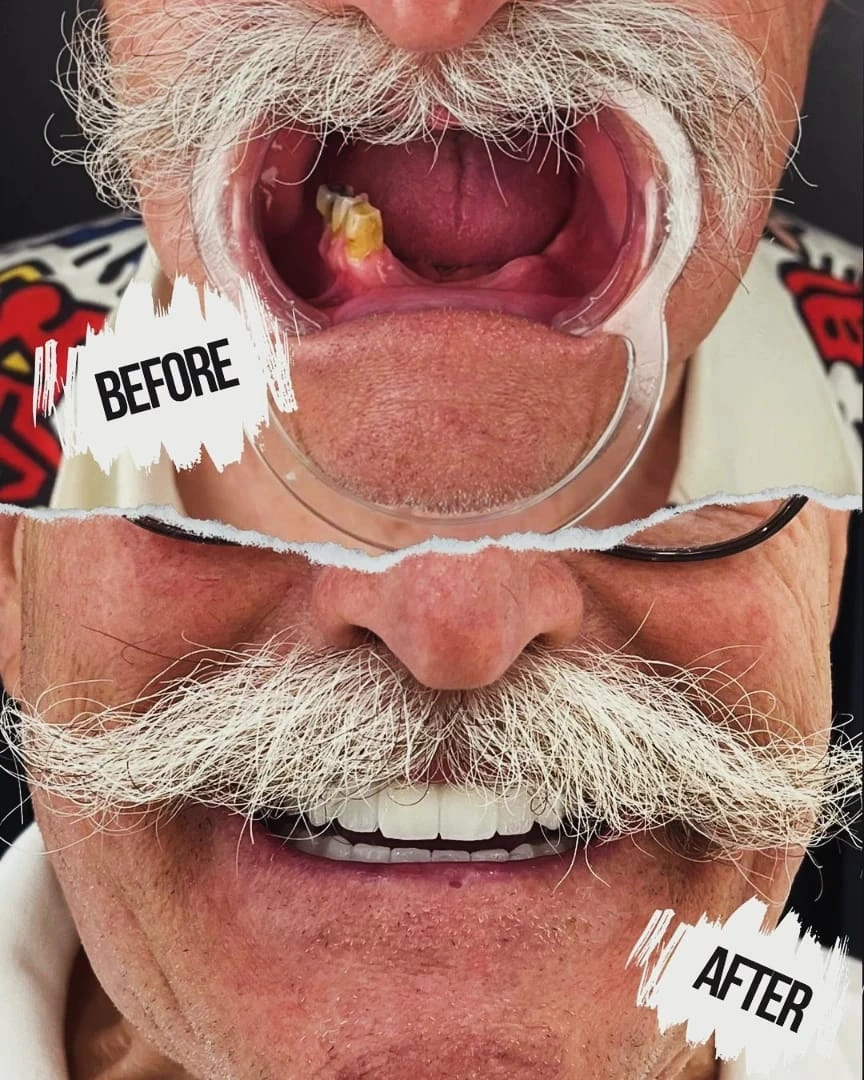
Dental Crowns in Dharamshala
A damaged, weakened, or heavily restored tooth may need additional protection to restore its strength, shape, and function. Dental crowns in Dharamshala can provide a durable solution for teeth that have been significantly damaged by decay, fractures, wear, or previous dental treatment.
At Floss & Gloss Aesthetics, we assess your tooth carefully and recommend a crown when it is appropriate for preserving and restoring your natural tooth. Our approach focuses on comfortable treatment, a natural-looking appearance, and a restoration that fits your bite and smile.
What Is a Dental Crown?
A dental crown, sometimes called a tooth cap, is a custom-made restoration that covers the visible portion of a damaged or weakened tooth. A crown can help:
- Protect a weakened tooth from further damage
- Restore the shape and size of a damaged tooth
- Improve chewing function
- Strengthen a tooth after extensive treatment
- Restore a tooth following root canal treatment
- Improve the appearance of a severely discoloured or damaged tooth
The type of crown recommended depends on the location of the tooth, its condition, your bite, and your aesthetic requirements.
When Might You Need a Dental Crown?
A dental crown may be recommended when a tooth is:
- Severely damaged by tooth decay
- Cracked or fractured
- Weakened after a large filling
- Worn down significantly
- Discoloured and difficult to restore with other cosmetic treatments
- Structurally compromised after root canal treatment
- Damaged due to trauma
- In need of restoration following certain dental procedures
Not every damaged tooth requires a crown. Your dentist will assess the remaining tooth structure and recommend the most suitable treatment.
Dental Crowns After Root Canal Treatment
A tooth that has undergone root canal treatment may have lost a significant amount of its natural structure. Depending on the condition of the tooth, a crown may be recommended to provide additional protection and restore normal function. The need for a crown depends on factors such as:
- The amount of remaining tooth structure
- The location of the tooth
- The forces placed on the tooth during chewing
- The type and extent of previous restoration
Your dentist can explain whether a crown is appropriate after your root canal treatment.
Types of Dental Crowns
Different crown materials are available, and the right option depends on the tooth and your individual requirements.
Porcelain or ceramic crowns
Ceramic and porcelain crowns can provide a natural-looking appearance and are often considered when aesthetics are particularly important.
Zirconia crowns
Zirconia is a strong ceramic material that can be used for dental crowns. It may be suitable for both front and back teeth depending on the clinical situation.
Metal crowns
Metal crowns are known for their strength and durability and may be considered for certain back teeth where chewing forces are high.
Porcelain-fused-to-metal crowns
These crowns combine a metal structure with a tooth-coloured outer layer, providing a balance between strength and appearance.
The appropriate material depends on the position of the tooth, your bite, aesthetic preferences, and the amount of tooth structure remaining.
What Happens During Dental Crown Treatment?
The crown procedure generally involves several stages.
- 1
Dental examination
Your dentist examines the tooth and may use dental X-rays or other diagnostic methods when required.
- 2
Treatment planning
The condition of the tooth is assessed to determine whether a crown is appropriate or whether another treatment would be more suitable.
- 3
Tooth preparation
The tooth is carefully prepared to create sufficient space for the crown while preserving as much healthy tooth structure as possible.
- 4
Digital or traditional impression
Measurements or impressions are taken so the crown can be made to fit the tooth accurately.
- 5
Temporary crown
Depending on the treatment process, a temporary crown may be placed while your final restoration is being prepared.
- 6
Final crown placement
Once the permanent crown is ready, its fit, appearance, contacts and bite are checked before it is securely placed.
Are Dental Crowns Painful?
The tooth preparation procedure is performed using local anaesthesia when required, helping keep you comfortable during treatment. Some sensitivity or mild discomfort may occur after the procedure, particularly while the tooth and surrounding tissues adjust. If you experience persistent pain or discomfort, contact your dentist for an assessment.
How Long Do Dental Crowns Last?
The lifespan of a dental crown depends on several factors, including:
- Crown material
- Oral hygiene
- Bite and chewing forces
- Teeth grinding or clenching
- The condition of the underlying tooth
- Regular dental check-ups
- Eating and lifestyle habits
With appropriate care, dental crowns can provide long-term restoration, but they may eventually need replacement.
How to Look After Your Dental Crown
Good oral hygiene is important for protecting both your crown and the natural tooth underneath it. You should:
- Brush twice a day with fluoride toothpaste
- Clean carefully around the crown
- Floss or use an appropriate interdental cleaning method
- Attend regular dental check-ups
- Avoid using your teeth to open packages or bite hard objects
- Follow any specific advice provided by your dentist
- Address teeth grinding or clenching if it is affecting your teeth
Although the crown itself cannot develop tooth decay, the natural tooth and gum around it can still be affected by plaque and bacteria.
What If a Dental Crown Comes Loose?
A crown can occasionally become loose or damaged. If this happens, avoid chewing hard foods on that side and contact your dentist as soon as possible. Do not attempt to permanently glue the crown back yourself, as the underlying tooth may require examination.
A dentist can determine whether the crown can be re-cemented or whether a new restoration is needed.
Dental Crowns vs Dental Fillings
Fillings and crowns serve different purposes. A dental filling is generally used to repair a tooth where a smaller or moderate amount of tooth structure has been lost.
A dental crown covers a larger portion of the tooth and may be recommended when the tooth has been significantly weakened or damaged. The appropriate restoration depends on how much healthy tooth structure remains.
Dental Crowns vs Dental Veneers
Dental crowns and veneers are not interchangeable treatments. A veneer primarily covers the front surface of a tooth and is generally used for selected cosmetic concerns.
A crown covers the visible portion of the tooth and is generally used when a tooth needs greater structural restoration or protection. If your main concern is cosmetic, veneers or other treatments may be considered. If the tooth is structurally compromised, a crown may be more appropriate.
Why Choose Floss & Gloss Aesthetics for Dental Crowns?
At Floss & Gloss Aesthetics, dental crown treatment is planned around the individual condition of your tooth. Our approach includes:
- Detailed dental assessment
- Personalised treatment planning
- Focus on preserving natural tooth structure
- Consideration of both function and appearance
- Careful attention to crown fit and bite
- Clear explanation of treatment options
- Ongoing guidance for maintaining your restoration
If you are looking for a dentist for dental crowns in Dharamshala, we can assess your tooth and discuss whether a crown is the right restorative option for you.
Frequently Asked Questions
How much do dental crowns cost in Dharamshala?+
The cost depends on factors such as the type of crown, the tooth being treated, the condition of the tooth, and any additional treatment required. A consultation is needed to provide an appropriate treatment plan and cost estimate.
Is getting a dental crown painful?+
The tooth is generally numbed with local anaesthesia during preparation. Some sensitivity or mild discomfort can occur afterwards and usually settles as the area adjusts.
How long does dental crown treatment take?+
Treatment time varies depending on the tooth, the type of crown, laboratory requirements, and whether additional treatment such as root canal therapy is needed.
Do I need a crown after a root canal?+
Not every root canal-treated tooth necessarily requires a crown. However, a crown may be recommended when the tooth has lost significant structure or requires additional protection. Your dentist can assess your individual case.
How long do dental crowns last?+
Crowns can provide long-term restoration when properly maintained, but their lifespan varies depending on the material, oral hygiene, bite forces, and other factors.
Can a crown look like a natural tooth?+
Yes. Tooth-coloured crown materials can be designed to complement the surrounding teeth in shape and appearance. The final result depends on factors such as the crown material, tooth position, and individual characteristics.
Can a crown fix a cracked tooth?+
A crown may be used to protect and restore certain cracked or fractured teeth. However, the type and extent of the crack must be assessed first because some fractures may require different treatment.
Can I eat normally after getting a crown?+
Your dentist will advise you when it is appropriate to eat normally following placement. You may be advised to avoid very hard or sticky foods initially, particularly while getting used to the new restoration.
Can dental crowns get cavities?+
The crown material itself does not develop tooth decay, but the natural tooth underneath or around the crown can still develop decay. Maintaining good oral hygiene and regular dental check-ups is important.
What happens if my crown becomes loose?+
Contact your dentist for an examination. Avoid chewing on that side and keep the crown safe if it has completely come off. Your dentist can determine whether it can be re-cemented or needs replacement.
Are zirconia crowns better than porcelain crowns?+
Different crown materials have different characteristics. The appropriate material depends on the tooth being restored, strength requirements, aesthetics, bite, and other clinical factors rather than one material being suitable for everyone.
Can dental crowns improve the appearance of damaged teeth?+
Yes. Tooth-coloured crowns can restore the shape, size, and appearance of teeth that are severely damaged, worn, or discoloured.
How should I care for my dental crown?+
Brush twice daily, clean between your teeth, maintain regular dental check-ups, and avoid using your teeth to bite hard objects. Your dentist may provide additional instructions based on your crown and oral health.
Dental Implants at Floss & Gloss
Thinking about dental implants? Learn more about your options with a no-obligation consultation. Our team is here to help you find the right treatment for your smile.